


The Allure of Risk and Reward
The thrill of gambling can be attributed to the inherent allure of risk and reward. Casino environments are designed to stimulate excitement and anticipation, drawing players into a world where the possibility of winning seems just within reach. The psychological concept known as “the near-miss effect” often plays a crucial role; when individuals experience a close call to winning, their brain releases dopamine, reinforcing the desire to continue playing in hopes of achieving that elusive jackpot. Many players today seek out australian online casino instant withdrawal options to enhance their gambling experience.
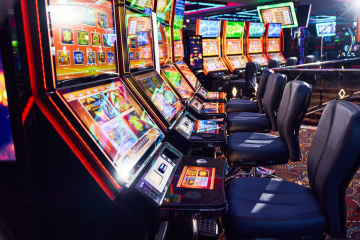
This interplay between risk and reward taps into deep-seated psychological traits such as sensation-seeking and impulsivity. Many gamblers are drawn to the high-stakes nature of games, where the potential for significant gains fuels the excitement. Understanding this behavior is vital, as it can lead to addictive patterns, with players often unable to resist the urge to chase losses or replicate previous wins.
The Role of Cognitive Biases
Cognitive biases significantly influence gambling behaviors, leading individuals to make irrational decisions under the illusion of understanding and control. Gamblers often fall prey to the “gambler’s fallacy,” mistakenly believing that past outcomes can predict future results. For example, someone might avoid betting on a number that hasn’t won in a while, thinking it must be “due” for a win. This fallacy encourages continued participation in gambling activities, reinforcing the cycle of behavior despite the statistical improbability of such beliefs.
Another common cognitive bias among gamblers is the “illusion of control,” where individuals overestimate their influence over random events. This belief can lead to a misguided sense of confidence, making them more likely to engage in risky behaviors and place larger bets. Understanding these biases is essential for both gamblers and policymakers, as it underscores the need for responsible gambling practices and educational resources.
The Emotional Rollercoaster of Gambling
The emotional landscape of gambling is complex, often characterized by highs and lows that can significantly impact mental health. Winning can produce euphoria, leading to an adrenaline rush that many find exhilarating. Conversely, losses can result in feelings of frustration, anxiety, and depression. This emotional volatility can create a cycle where players return to the casino to escape negative feelings or to relive the highs of their previous wins, inadvertently deepening their reliance on gambling as a coping mechanism.
Moreover, emotions such as stress and loneliness can act as triggers for gambling behaviors. Individuals may find themselves seeking solace in a casino environment, where the atmosphere temporarily distracts them from personal issues. This connection between emotional health and gambling underscores the importance of mental well-being and highlights the potential for gambling to serve as both a source of enjoyment and a pathway to addiction.
The Social Dynamics of Casino Gambling
Casino gambling is not only an individual activity but also a deeply social one. The shared experiences among players can foster a sense of community, which in itself can be enticing. Social interaction can enhance the excitement of gambling through shared wins or collective encouragement during losses, further embedding individuals into the casino culture. This social dimension can lead to an increase in gambling frequency and intensity, as players often feel a sense of belonging within their gambling circles.
Friendships formed in gaming environments may reinforce gambling as a recreational activity, creating a peer pressure dynamic that can lead individuals to gamble more than they might otherwise. Understanding the impact of social relationships on gambling behavior is essential for recognizing how these dynamics contribute to both positive and negative outcomes for individuals and their communities.
Conclusion: Utilizing Resources for Responsible Gambling
As we explore the intricate psychology behind casino gambling behaviors, it becomes evident that understanding these dynamics is essential for promoting responsible gambling practices. Resources and support for individuals who may be struggling with gambling addiction are crucial. Websites dedicated to providing information, tips, and tools for safe gambling can empower individuals to engage in gambling as a fun pastime rather than a destructive habit.
By fostering awareness of the psychological factors at play and promoting healthy gambling habits, we can create safer environments for both casual players and those at risk. Prioritizing education and support will enable individuals to navigate the thrilling yet complex world of casino gambling with a greater understanding of their behaviors and choices.
